


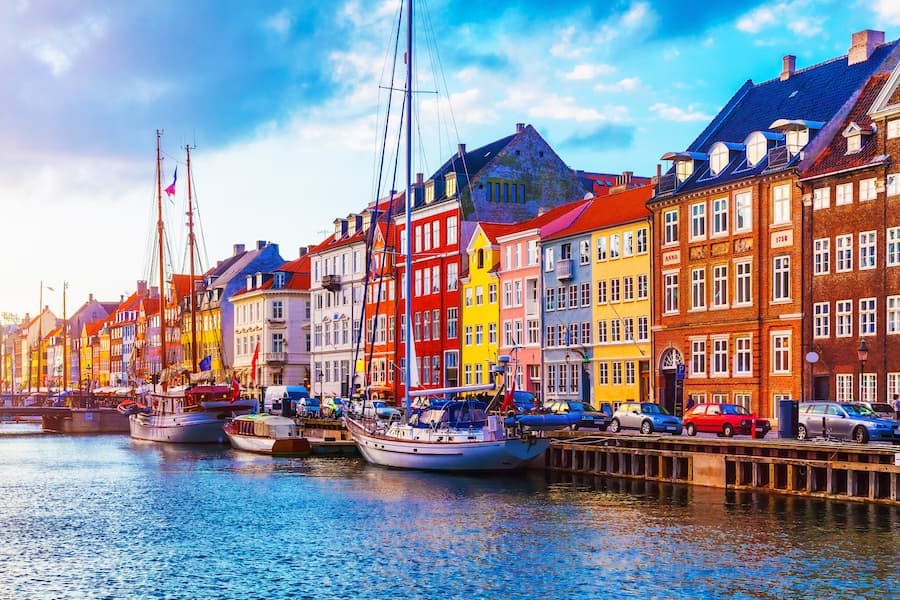
Once known for its brutal, seafaring Viking origins, Denmark is now a peaceful parliamentary democracy that boasts both medieval buildings and cutting-edge architecture. Visitors can visit small coastal fishing villages by day and dine at sleek, Michelin-starred restaurants by night. With such varied options, you might find yourself wondering if you have found yourself in a modern day fairy-tale. After all, Denmark’s most famous person is Hans Christian Andersen.
As you are getting excited about your trip to Denmark, consider adding travel insurance to your “to do” list. We’ll help you determine the average costs, essential features, and travel tips so you can have your best vacation yet.
Travel Insurance for a Trip to Denmark
Even if you are a planner, it’s impossible to foresee all circumstances that could arise when traveling to Denmark. You could encounter a trip delay, an interruption, a cancellation, or even a medical emergency. Even if your itinerary is well-planned, it is possible to be thrown off course when the unexpected happens. Travel insurance safeguards your financial investment so you can travel stress-free.
Do I Need Insurance to Travel to Denmark?
Travel insurance is not required for a trip to Denmark that is 90 days or less.
Travel insurance is still recommended if you are vacationing in Denmark. Especially when traveling abroad, you could incur significant out-of-pocket expenses due to unexpected delays, expenses, and medical emergencies. Travel insurance can reimburse you for unplanned costs you incur. Given the investment that you make in your travel plans, it is also wise to factor in and budget for insurance to help prevent financial loss and give you peace of mind when traveling to a new country.
How Much Does Travel Insurance Cost for My Trip to Denmark?
The average cost of a travel insurance plan for a trip to Denmark will likely be 3%-6% of your total trip cost. The price of a comprehensive travel insurance plan includes features like emergency medical and baggage loss. If you require specialty coverage or the ability to cancel your trip for any reason, your travel insurance costs may be more.
Travel insurance costs vary depending on age, location, and insurance company rates. Remember to read the fine print on your policy, as travel insurance companies have different coverage limits and terms.
It’s vital to compare quotes to get the best coverage for your money. Using TravelInsurance.com’s comparison tool, you can get quotes from multiple insurance providers within minutes. Easily compare plans and choose the best one that fits your budget.
Travel Tips
Now that you have purchased a travel insurance policy for your vacation to Denmark, you can work on planning your trip itinerary. We have compiled a list of our best tips for traveling to Denmark so you can enjoy every minute to the fullest.
Money: Currency & Tipping
Denmark is a part of the European Union (EU). However, it doesn’t use the euro as currency. The currency used in Denmark is the Danish krone (DKK). It is wise to exchange money before you arrive in Denmark to get the best exchange rate. If you are unable to exchange money in advance, you can always exchange money in the airport or in Denmark.
In Denmark’s tourist areas, if you are only carrying euros, paying with euros and receiving euros or DKK in change is a frequent occurrence. Since credit card usage in Denmark is as common as in the U.S., you will often be able to avoid cash transactions. It is wise, however, to carry at least a small amount of cash DKK or euros when you visit for simple transactions such as buying snacks.
According to several Danish guides, Denmark does not have a strong tipping culture. Danish law states that any service charge (including gratuity) must be included in the restaurant’s price for menu items. If you are still deciding whether to leave a tip, scan your receipt to see if a service charge has already been added. If so, there is no need to leave a tip.
Travelers can feel pressured to tip in tourist areas because credit card processing systems automatically ask for a tip when paying. Know that tipping is not the norm in Denmark, and you shouldn’t feel obligated to tip.
However, if you are dining at an expensive restaurant, have a tour guide that goes above and beyond, or indulge in an excellent spa experience, you should feel comfortable giving a tip for exceptional service. A 10% tip is considered the norm in Denmark.
What to Pack for Your Visit and Weather Conditions
What you pack for your trip depends on the season you visit. In general, it is wise to bring a variety of layers to maximize your comfort regardless of the weather.
Denmark has a milder climate than the rest of Scandinavia, and the temperatures are closer to those in Germany. Despite this, the weather can be unpredictable, so no matter the season it is smart to bring a waterproof jacket, scarf and foldable umbrella. Comfortable, water-resistant footwear is also a good bet. Keep an eye on the local weather forecast before your trip so you have a general idea of what the weather patterns are that season. The forecast should be fairly accurate a week out from your departure date, allowing you to pack the most appropriate attire for your visit.
Immerse Yourself in the Local Culture
Denmark’s culture is based primarily on Viking heritage, food, local language, and art. The name Denmark means “Borderlands of the Danes.” It is known as one of the happiest countries in the world.
The country has nearly six million people and is consistently growing. Over one million people live in Copenhagen, the Danish capital.
The official language of Denmark is Danish. However, 86% of Danes speak English, which is mandatory for Danish students starting in the first grade. Christianity and Islam are the two most popular religions.
Modern Danish architecture follows a clean-line approach with a focus on sustainability. Fashion is also minimal and is applauded for its commitment to ethical manufacturing processes.
Denmark is ranked No. 2 on the 2023 Global Peace Index. It is unlikely you will encounter crime in Denmark. However, you should always be alert and keep an eye on your belongings, especially in major cities.
Traditional Danish food consists of farm-to-table cuisines such as cabbage, beets, fish, and pork. Perhaps the most common meal is the smørrebrød, an open-faced sandwich made with rye bread topped with local fish, eggs, potatoes, or cold meat.
The national dish of Denmark is stegt flæsk – pieces of pork fried until crisp and served alongside boiled potatoes and parsley sauce. Over the past 30 years, traditional Danish food has received a face-lift, transforming local ingredients into New Nordic Cuisine.
While the Danes are known for eating healthy meals at home, they are also restaurant connoisseurs. In 2022 alone, 28 Danish restaurants held 39 Michelin stars, more than any other Nordic country.
Popular Destinations in Denmark
For those interested in art and religious history, Denmark has six hundred churches nationwide, which contain the most extensive collection of church frescoes in the world. In general, Danish historical architecture reflects the Viking period, boasting instagram-worthy churches, fortresses, and castles.
There are many things to do in Copenhagen, Denmark’s largest city. You can visit Tivoli Gardens, the zoo, fresh food markets, castles, churches, and museums. Historically the home of the beloved Hans Christian Andersen, the Danish writer was born in Odense in 1805. One of the most famous statues in Denmark is The Little Mermaid, which is perched above Langelinie Pier in the City of Copenhagen and pays tribute to one of Andersen’s most famous works.
Surrounded by water, Denmark’s beaches are as minimal and serene as the lifestyle its population is known for. Filled with picturesque sand dunes, tall grass, and beautiful waters, a trip to the beach is a must-do when visiting Denmark. While the prime swimming season is short (June to mid-August), walking along the beach is a welcome treat any time of the year.
Kids of all ages will be interested to learn that Denmark is also the birthplace of LEGOs. LEGOs rose to popularity in the mid-20th century and have become one of the most successful toy brands in history. LEGOs originated in a wooden toy workshop in Billund, Denmark, in 1932. You can visit the Lego House in Billund, Denmark, which houses 25 million Lego bricks.
Top 10 Most Popular Places to Visit in Denmark
1. Copenhagen
2. Aarhus
3. Odense
4. Bornholm
5. Skagen
6. Roskilde
7. Aalborg
8. Elsinore
9. Gilleleje
10. Ribe
Top 5 Unique Places to Visit in Denmark
1. Tisvildeleje
2. Dragør
3. Hornbæk
4. Billund
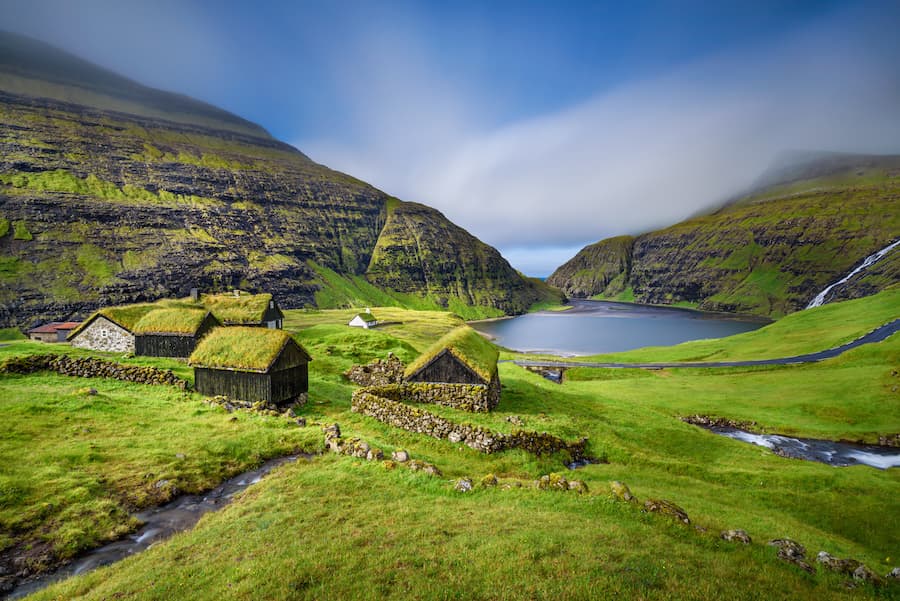
5. Faroe Islands
Wherever you go in Denmark, be sure that your trip, health and safety are protected with a comprehensive travel insurance policy. Get travel insurance quotes on TravelInsurance.com today to compare and buy a policy that best meets your travel needs. As they say in Denmark, “God rejse” (bon voyage)!
Compare and Buy Travel Insurance
Compare and buy travel insurance plans from top rated insurers